Weather-Resistant Decking: Protect Your Investment From the Elements
Weather-resistant decking functions as an essential element in preserving outdoor spaces from harsh environmental conditions. It offers homeowners an effective solution to avoid problems such as rotting and warping. By opting for durable materials such as composite or PVC, property owners can accomplish both lasting beauty and strength. Nevertheless, grasping the details of different decking types and their upkeep requirements is crucial for reaching a knowledgeable decision. The sections below will examine these factors in more depth.
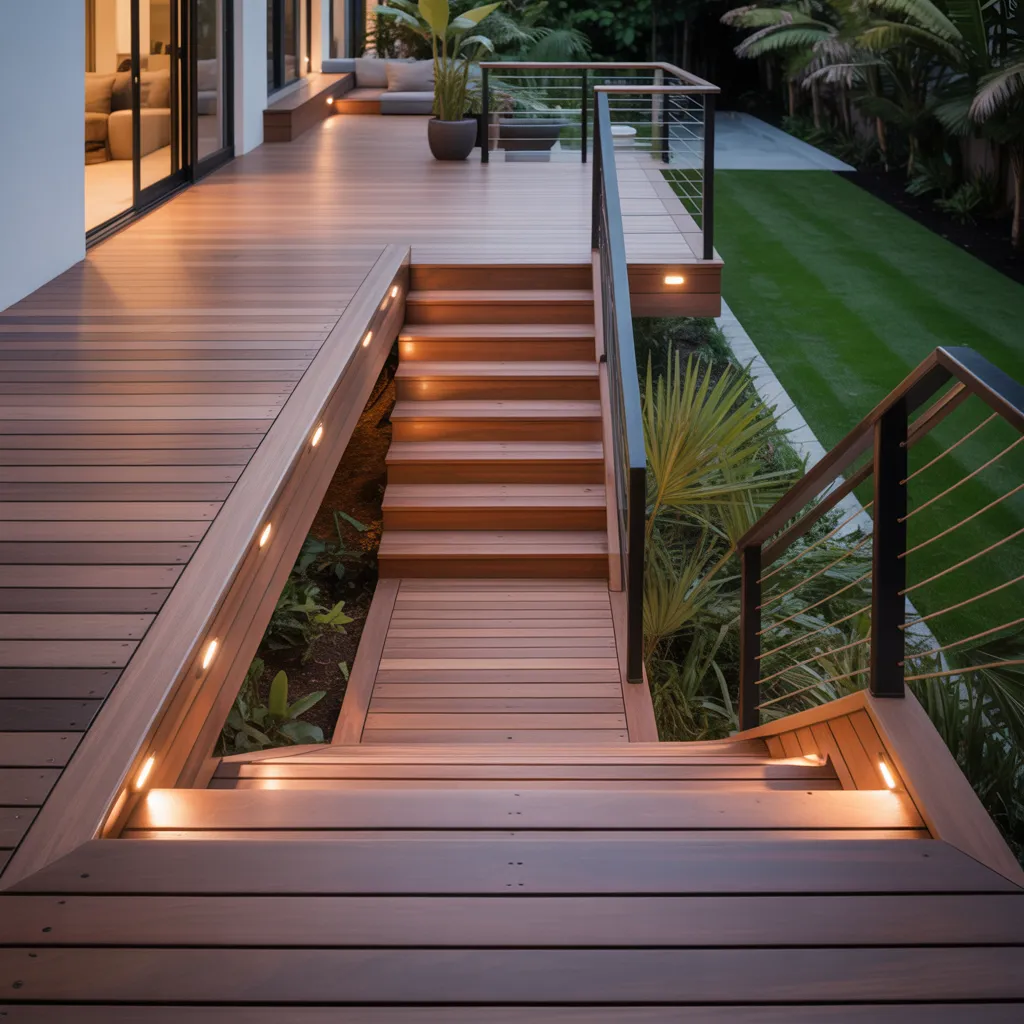
What Is All-Weather Decking and Why You Should Consider It?
Weather-resistant decking, built to endure outdoor conditions, delivers considerable value for outdoor living areas. This style of decking is commonly built from materials that repel moisture, UV exposure, and temperature extremes, ensuring longevity and durability. Common materials include composite, PVC, and treated wood, all designed to address problems like warping, decay, and color loss.
Homeowners often seek weather-resistant decking to preserve the value of their property, since conventional wood decking often demands regular upkeep and replacement. The resilience of weather-resistant options not only improves the visual appeal but also provides safety by reducing risks associated with slippery surfaces. Additionally, these materials can be more environmentally friendly, since they are frequently crafted from recycled materials. Ultimately, weather-resistant decking provides an effective solution for homeowners aiming to build a practical and appealing outdoor space that stands the test of time.
Top Advantages of Weather-Resistant Decking Materials
Weather-proof decking materials offer several significant advantages that make them highly sought after by homeowners. These products are valued for their exceptional durability and extended lifespan, requiring less maintenance over time. Furthermore, they provide superior aesthetic appeal, creating a stunning outdoor environment that remains beautiful for years to come.
Enhanced Durability and Longevity
Selecting weatherproof decking materials significantly enhances long-term durability, making them an excellent solution for open-air environments. These products are intentionally crafted to withstand harsh weather conditions, including powerful UV exposure, torrential rainfall, and extreme cold. Unlike traditional wood, which can deteriorate, crack, or decay with age, weather-resistant options maintain their structural integrity and appearance for years. Modern composite and synthetic solutions commonly repel moisture, UV rays, and pests, considerably reducing the risk of damage. This resilience not only extends the lifespan of the decking but also ensures it maintains its visual attractiveness. Selecting such options ultimately minimizes repair costs and replacement needs, providing homeowners with a long-term, cost-effective solution for outdoor living.
Low Maintenance Requirements
Opting for weather-resistant decking materials greatly reduces maintenance efforts for homeowners. Compared to traditional timber decks requiring periodic staining, sealing, and surface treatment, weather-resistant choices commonly necessitate minimal upkeep. These products are built to withstand moisture, UV rays, and temperature fluctuations, significantly reducing the risk of buckling, rotting, or color loss. Residents can look forward to spending less time on labor-intensive tasks such as scrubbing or repairing, freeing them to fully appreciate their outdoor living spaces. Moreover, many weather-resistant options are simply cleaned with soap and water, further simplifying upkeep. This easy-care feature not only reduces effort but also promotes lasting financial savings, making it a wise selection for those looking to enhance their outdoor living areas.
Exceptional Aesthetic Appeal
As homeowners focus on outdoor beautification, homeowners find that weather-resistant decking materials offer a visually appealing alternative to conventional choices. Offered in numerous colors, textures, and styles, these options can enhance every type of architectural style, boosting the general curb appeal of a property. Unlike conventional wood, that tends to warp and lose its color, these resilient materials preserve their rich visual quality, ensuring long-lasting beauty. Several materials are crafted to simulate the aesthetic of natural timber, offering a refined look free from the usual maintenance burdens. Moreover, current design developments permit for seamless integration with garden features and patio furnishings, forming a harmonious exterior space. Ultimately, the outstanding visual qualities of weather-resistant decking materials not only enriches outdoor spaces but also boosts the property's market worth.
Main Features of Weather-Resistant Decking
Weather-resistant decking offers a number of important characteristics that position it as an excellent selection for open-air environments. A notable feature is its ability to withstand severe weather elements, including rain, snow, and UV exposure. This resilience is frequently improved by options such as composite and PVC, which guard against fading, warping, and splintering. Furthermore, many weather-resistant deckings are designed with low maintenance in mind, demanding little maintenance relative to conventional wood choices. They are often resistant to mold and mildew, providing a cleaner and more sanitary setting. Moreover, these decking varieties commonly include non-slip finishes, ensuring stability during rainy conditions. The color-preserving qualities of these materials further support enduring aesthetic appeal, as they maintain their appearance over the years. Altogether, these features not only enhance the deck's lifespan but also give homeowners reassurance, assured that their investment is safeguarded from the elements.
Evaluating Types of Weather-Resistant Decking
When comparing various durable decking options, two widely recognized options include composite and PVC options. Composite decking is valued for superior appearance and sustainable characteristics, while PVC decking is recognized for its long-lasting performance and minimal upkeep needs. Recognizing these differences enables homeowners to make well-informed choices suited to their individual requirements.
Advantages of Composite Decking
Composite decking provides numerous advantages that position it as a top option for homeowners seeking resilient and hassle-free outdoor living options. Composed of a blend of natural wood fibers and recycled plastics, composite decking materials are resistant to fading, staining, and mold growth, providing lasting performance against harsh weather. Compared to conventional wood, composite decking is splinter-free, providing a safer surface for families and pets. Its reduced maintenance demands are also a major draw, as it usually calls for only occasional cleaning with soap and water. Additionally, composite decking is available in various colors and finishes, offering the flexibility to complement any home design. This combination of durability, safety, and versatility makes composite decking a standout selection in the realm of long-lasting exterior decking solutions.
Advantages of PVC Decking
Durability stands out as a key advantage of PVC decking, making it an excellent alternative to traditional wood and composite materials. In contrast to wood, PVC decking is protected against rot, mold, and insect deterioration, ensuring a longer lifespan with minimal maintenance. Moreover, it is impervious to moisture, which eliminates the warping and splitting frequently found in wood products. This product also delivers a broad selection of colors and textures, permitting creative design possibilities that elevate outdoor appeal. Beyond that, PVC decking does not require painting or staining, saving homeowners both time and money. With its ability to withstand harsh weather conditions, PVC decking delivers a trusted, minimal-upkeep solution for improving outdoor areas while shielding investments from weather damage.
Selecting Your Weather-Resistant Decking
Identifying the best climate-resilient decking demands careful consideration of various factors to guarantee lasting quality and functionality. Property owners should first evaluate the range of materials on offer, such as composite, PVC, or aluminum, all of which present individual strengths when it comes to longevity and care.
Additionally, it is important to consider the environment in which the decking will be fitted. For locations with harsh weather conditions, materials with superior UV resistance and low moisture absorption should be favored.
Furthermore, the aesthetic quality of the decking material cannot be overlooked; color and texture ought to enhance the overall design of the home.
Cost considerations also play a vital role; even though some materials may come with a higher initial price tag, they frequently deliver superior long-term value through lasting performance and lower upkeep costs.
Furthermore, researching warranty information from manufacturers can shed light on the anticipated durability and quality of the decking materials.
Preserving Your Weather-Resistant Deck
Maintaining a durable outdoor deck is crucial for preserving its aesthetics and performance over time. Consistent cleaning is key; employing a broom or blower related article to eliminate debris keeps mold and mildew from developing. A light scrub with soap and water can help maintain the surface of the deck, while a gentle bristle brush can handle difficult stains.
Examining the deck routinely for indicators of deterioration, such as loose boards or fading color, enables prompt maintenance. Applying a durable sealant every few years can improve resilience against sun exposure and water damage. Additionally, avoiding the use of strong solvents or rough implements will prevent damage to the surface.
Seasonal maintenance is also important. Eliminating snow and ice accumulation in winter and maintaining proper drainage can help protect against structural problems. By implementing these upkeep recommendations, homeowners can guarantee their weather-resistant decking continues to serve as a stunning and functional outdoor retreat for years ahead.
Discover Weather-Resistant Decking in Person
Weather-resistant decking can be appreciated in a variety of settings, demonstrating its flexibility and attractive qualities. Many homeowners select this material for their outdoor areas, transforming backyards into inviting retreats. Across urban landscapes, weather-resistant decking complements rooftop gardens, providing a stylish area for relaxation and social gatherings.
Common areas, including waterfronts and parks, employ this durable option to elevate outdoor environments while reducing upkeep requirements. Restaurants and cafes gain advantages too, as all-weather decking can withstand harsh conditions, ensuring patrons enjoy comfortable dining experiences year-round.
Moreover, residential projects more and more incorporate this decking solution into their layouts, appealing to prospective buyers desiring hassle-free outdoor living spaces. By observing these examples in real life, people can understand not only the real-world benefits but also the visual upgrades that weatherproof decking brings to a wide range of environments. All in all, it stands as a testament of the balance between functionality and design in outdoor environments.

Questions We Often Receive
How Long Can You Expect Weather-Resistant Decking to Last?
Weather-proof decking typically lasts anywhere from 15 to 25 years, based on the type of material, upkeep routines, and surrounding environmental factors. Consistent care can considerably increase its longevity, guaranteeing long-term value and strength for property owners.
Can Weather-Resistant Decking Be Installed by a Homeowner?
Indeed, a person can set up weather-resistant decking on their own, provided they have fundamental carpentry abilities and follow the producer's recommendations. However, reaching out to professionals may ensure the best results and conformity with area building codes.
What Color and Style Options Are Available for Weather-Resistant Decking?
A variety of colors and styles are available for weather-resistant decking, such as earthy tones, vibrant hues, and natural wood finishes. Designs vary from classic planks to contemporary interlocking designs, suiting a wide range of aesthetic preferences.
Does Weather-Resistant Decking Have Eco-Friendly Properties?
Weather-resistant decking can be eco-friendly, according to the materials selected. Many manufacturers offer recycled options or sustainably sourced wood, reducing the impact on the environment. Nevertheless, buyers should investigate particular products to confirm they meet eco-friendly criteria.
How Do Weather-Resistant Decking Costs Compare to Traditional Decking?
Weatherproof deck materials generally has a higher upfront cost in comparison to conventional decking options. Nevertheless, its durability and lower maintenance needs often translate into long-term savings, making it a more cost-effective option in the long term.